

The competitive gaming industry is no longer confined to massive arenas and multimillion-dollar sponsorships. Grassroots tournaments are experiencing a sustained surge, creating a profitable opportunity for gaming cafes that can deliver a consistent competitive experience. Yet physical capacity is always a constraint: if your venue has 40 PCs, an in-house tournament is capped at 40 concurrent players.
This is where a hybrid event model becomes strategically important. When your in-cafe tournament operations are connected to a home participation workflow, you can expand beyond your seats, increase registrations, and create a funnel that converts online participants into in-store customers over time.
In practice, that hybrid model works best when it is built on the same platform that already runs your day-to-day cafe operations. iCafeCloud is designed for internet cafe management, and it can be used as the operational backbone for esports event hosting—helping you keep customer accounts, sessions, staff workflows, and event-day promotions consistent.
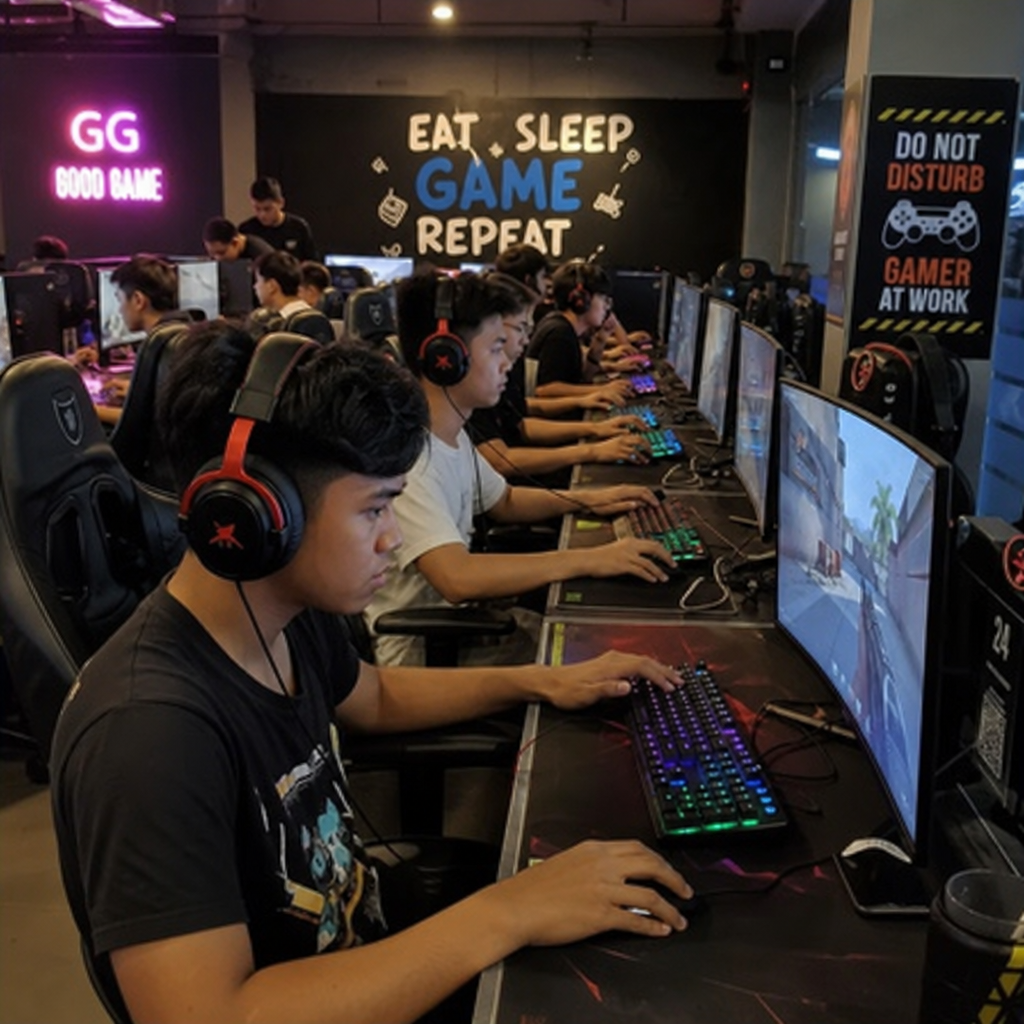
The Evolution of the Local Gaming Center
Historically, an internet cafe’s revenue model relied on hourly PC rentals. Today, long-term growth increasingly depends on building a local esports community—where players return for leagues, rankings, watch parties, and recurring tournaments. Gamers can always play at home; they visit your cafe for competitive structure, atmosphere, and social gravity.
However, purely in-person events face predictable limitations: scheduling conflicts, travel friction, and maximum seat count. A modern approach to esports event planning is to run hybrid events that accommodate both on-site competitors and remote participants. This broadens the addressable player base while keeping your venue as the “home stadium” for finals, featured matches, and community moments.
Hybrid Events: Home Participation vs Traditional In-Cafe-Only Tournaments
In a traditional LAN-only tournament, every player must physically arrive, occupy a seat, and compete within your local environment. That model is straightforward but inflexible. A hybrid workflow adds a “home participation” layer so remote players can join your event ecosystem without consuming seats.
For cafe operators, the operational challenge is not only gameplay—it is the end-to-end administration: registration, check-in, eligibility, time control, communication, and event-day offers. Using iCafeCloud as your management layer helps you keep these moving parts coordinated so staff can run events at scale without relying on ad-hoc spreadsheets and manual reconciliation.
Step-by-Step: How to Organize Esports Events at Your Gaming Cafe
High-quality esports event hosting requires a structured process. Whether you are running a weekly ladder or a seasonal bracket, the goal is to minimize administrative overhead while maximizing competitive clarity.
1) Define the Event Structure and Participation Rules
Start by locking down the fundamentals: game title, format (single-elimination, double-elimination, Swiss, round-robin), roster rules, match times, and dispute policy. For small and mid-sized venues, a weekly ladder or monthly circuit often outperforms one-off tournaments because it produces recurring attendance and predictable marketing beats.
Next, define how you will handle hybrid participation:
- In-cafe competitors: on-site check-in time, assigned stations, headset policy, and coaching rules.
- Remote competitors: eligibility (local-only vs open), identity verification, communication channel, and connection requirements.
Operationally, aligning check-in and customer handling with your existing cafe workflow is critical. If you already manage customers and sessions in iCafeCloud, build the event day around that same staff routine so the tournament does not become a parallel business with separate processes.
2) Prepare the Venue and Stream Setup
Even if remote players participate, your venue remains the center of gravity. The essential equipment for hosting professional esports events locally typically includes:
- Stable network infrastructure: enterprise-grade switching and disciplined QoS to prevent congestion during peak matches.
- A dedicated admin station: for event operations, announcements, and on-site issue resolution.
- A casting/streaming rig: for Twitch/YouTube broadcasts of featured matches and finals.
- Display surfaces: TVs/projectors for brackets, schedules, and live leaderboards.
For online gaming events, streaming is not optional—it is marketing, retention, and sponsorship inventory. Treat production quality as part of your event product.
3) Set Up Registration, Check-In, and Time Control
The most common failure mode in community tournaments is administrative friction: unclear check-in rules, inconsistent PC time handling, and staff overwhelmed at peak hours. Your operational platform should reduce that load.
With iCafeCloud, you can structure event-day flow around consistent customer handling—so tournament participants and casual walk-ins can be managed in a single operational rhythm. This is particularly important when the event is running alongside normal business operations (food and beverage, walk-in play, and party bookings).
4) Run Brackets, Scoring, and On-Site Communication
Manual bracket tracking via spreadsheets leads to delays, disputes, and a poor player experience. Mature tournament operations use standardized procedures for:
- Match reporting: clear submission steps and evidence requirements.
- Score validation: explicit authority and escalation path.
- Announcements: a single source of truth (Discord, on-site displays, and staff announcements).
When the process is disciplined, your staff is free to focus on hospitality, production quality, and community management—the areas that actually differentiate your cafe.
Monetization: Expanding Gaming Cafe Revenue with Esports Events
Competitive play is not just a branding play; it is a revenue strategy. Expanding gaming center revenue with esports events usually comes from multiple streams:
- Entry fees: premium pricing for in-cafe seats (bundled with PC time and a drink), with a separate tier for remote participation.
- Food and beverage: event-day combos that are simple for staff to fulfill at volume.
- Sponsorships: local partners, hardware retailers, and energy drink brands purchasing placement on streams and in-venue signage.
- Merchandising: jerseys, mousepads, and team branding tied to your cafe identity.
Consistency matters here. A platform like iCafeCloud helps you operationalize promotions and customer handling so event-day offers are applied reliably—even when the venue is at maximum load.
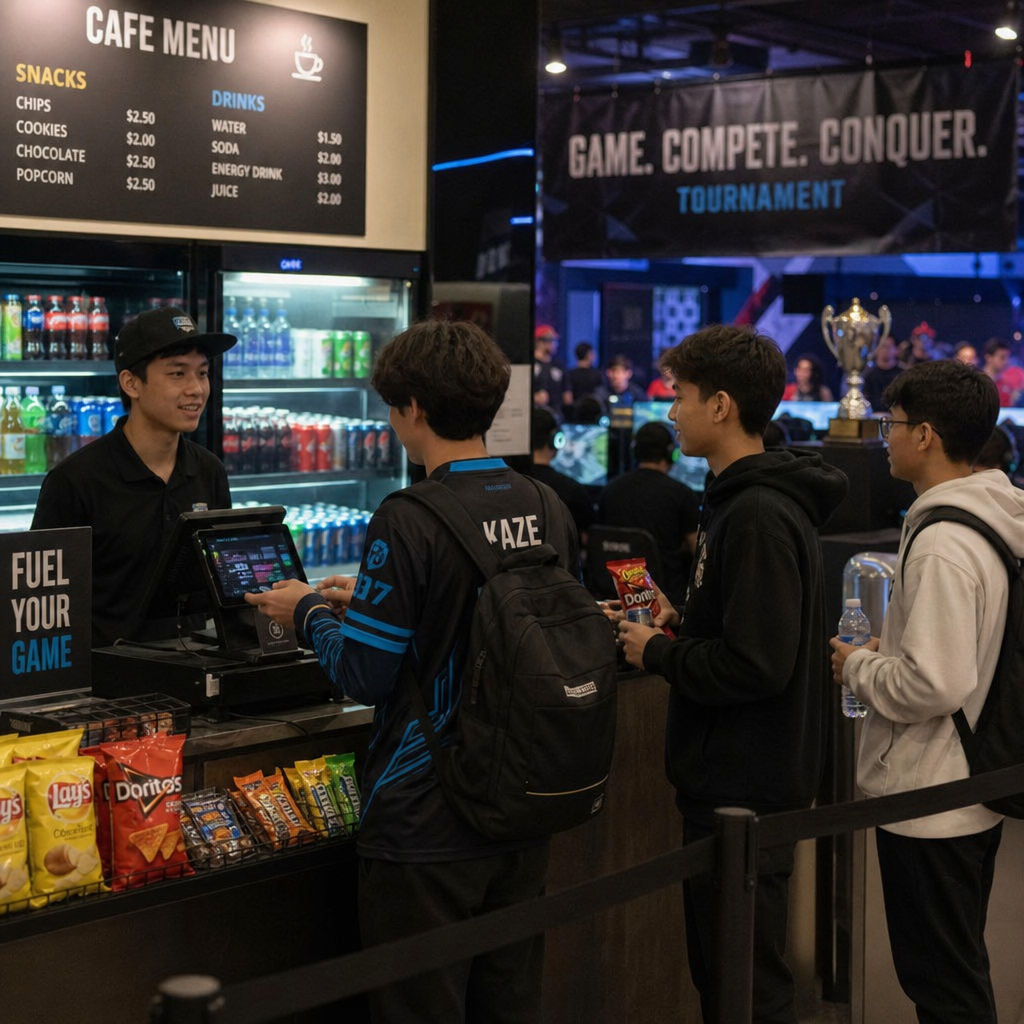
Marketing Your Event for Maximum Turnout
Even well-run tournaments fail without predictable demand generation. Combine community-first channels with paid distribution:
- Discord as the event hub: registration announcements, team-finding, match reminders, and dispute handling.
- Geo-targeted ads: run localized campaigns that highlight the ability to participate online or attend on-site for finals.
- School and university partnerships: collaborate with student clubs to create recurring leagues.
Finally, keep your messaging consistent across every touchpoint: your blog, social posts, on-site displays, and registration pages. Linking to your platform homepage (for example, iCafeCloud) helps prospective players and partners understand what powers your venue’s experience and where to learn more.
The Takeaway: Build a Scalable Event Engine, Not Just a Tournament
The strongest gaming cafes treat tournaments as an operating system: repeatable formats, consistent rules, reliable logistics, and a clear pathway from online participation to in-store loyalty. When you plan hybrid events and run them through a unified operational layer, you are not simply hosting matches—you are building a scalable community business.
To learn more about the platform and how it supports internet cafe operations, visit https://www.icafecloud.com/.